Back pain is a nearly universal experience, affecting almost everyone at some point in their lives due to a wide variety of causes.
For the active individual, it might stem from sudden sports injuries or the repetitive strain of high-impact training.
For the office warrior, it often arises from poor posture, prolonged sitting or the accidental strain of lifting heavy objects incorrectly.
More complex cases involve a herniated or “slipped” disc pressing directly on sensitive nerves or the gradual wear and tear of degenerative disc disease as we age.
Conditions like scoliosis or arthritis further complicate the spinal landscape, leading to chronic discomfort that radiates through the body.
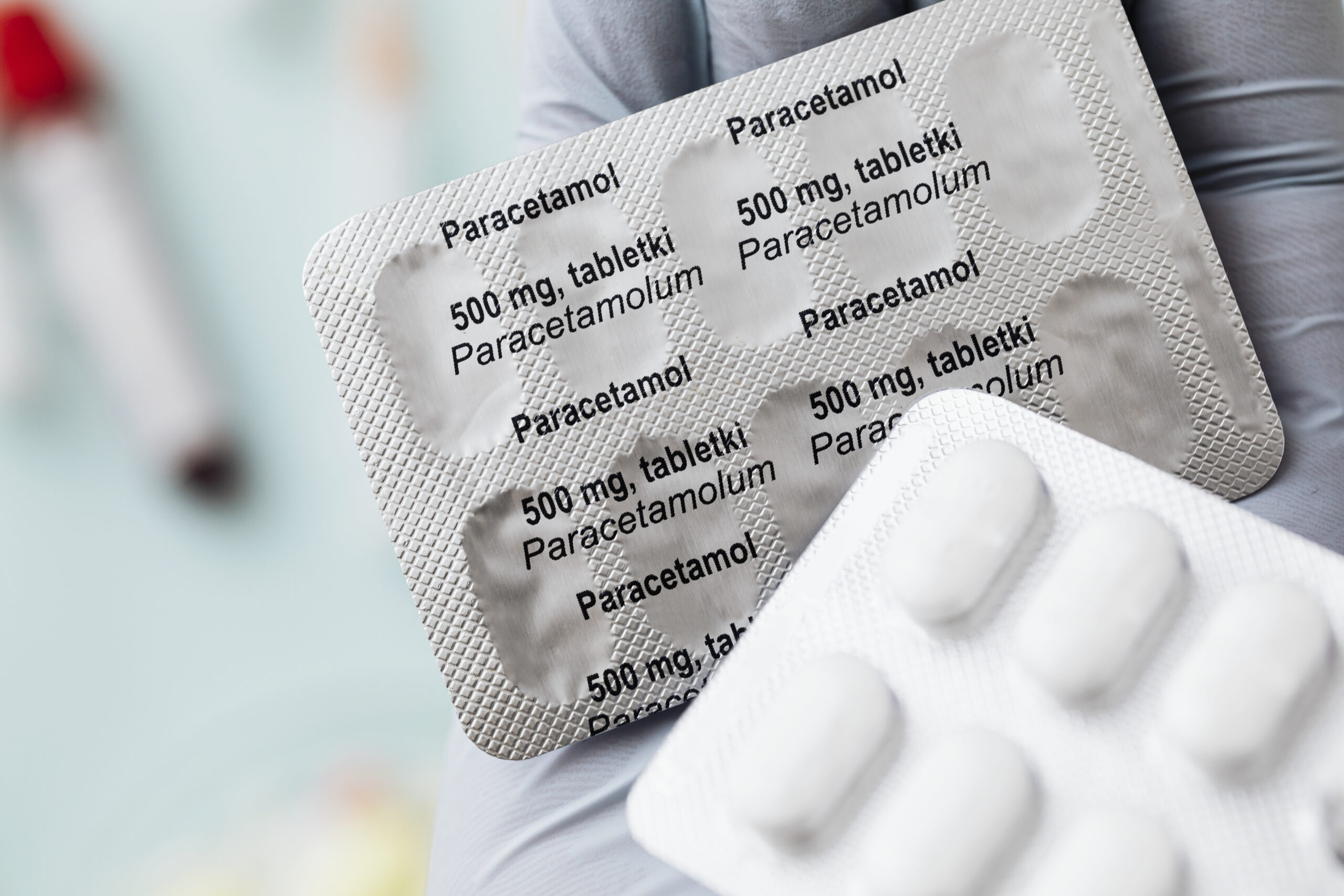
When this pain strikes, the natural instinct is to reach for the most common bottle in the medicine cabinet: Paracetamol. However, despite its reputation as a household staple, you should not rely on Paracetamol as your primary solution for back pain.
The Placebo Problem: Why It Simply Doesn’t Work
The most compelling reason to reconsider your medication choice is that, for many sufferers, Paracetamol simply does not provide meaningful relief for acute low back pain.
In recent years, several large-scale clinical trials and systematic reviews have compared Paracetamol against a placebo (a “sugar pill” with no active ingredients) for patients with sudden back episodes.
The results were startling: those taking Paracetamol did not recover faster, nor did they report lower pain scores than those taking nothing at all.
This lack of efficacy suggests that for the specific biological pathways involved in spinal distress, Paracetamol fails to hit the mark.
While it may work wonders for a simple headache or a fever, the structural and neurological complexity of the back requires a more targeted approach than this general analgesic can provide.
Addressing the Source: Inflammation and Muscle Strain
Back pain is rarely “just” pain; it is usually the result of active inflammation or intense muscular distress.