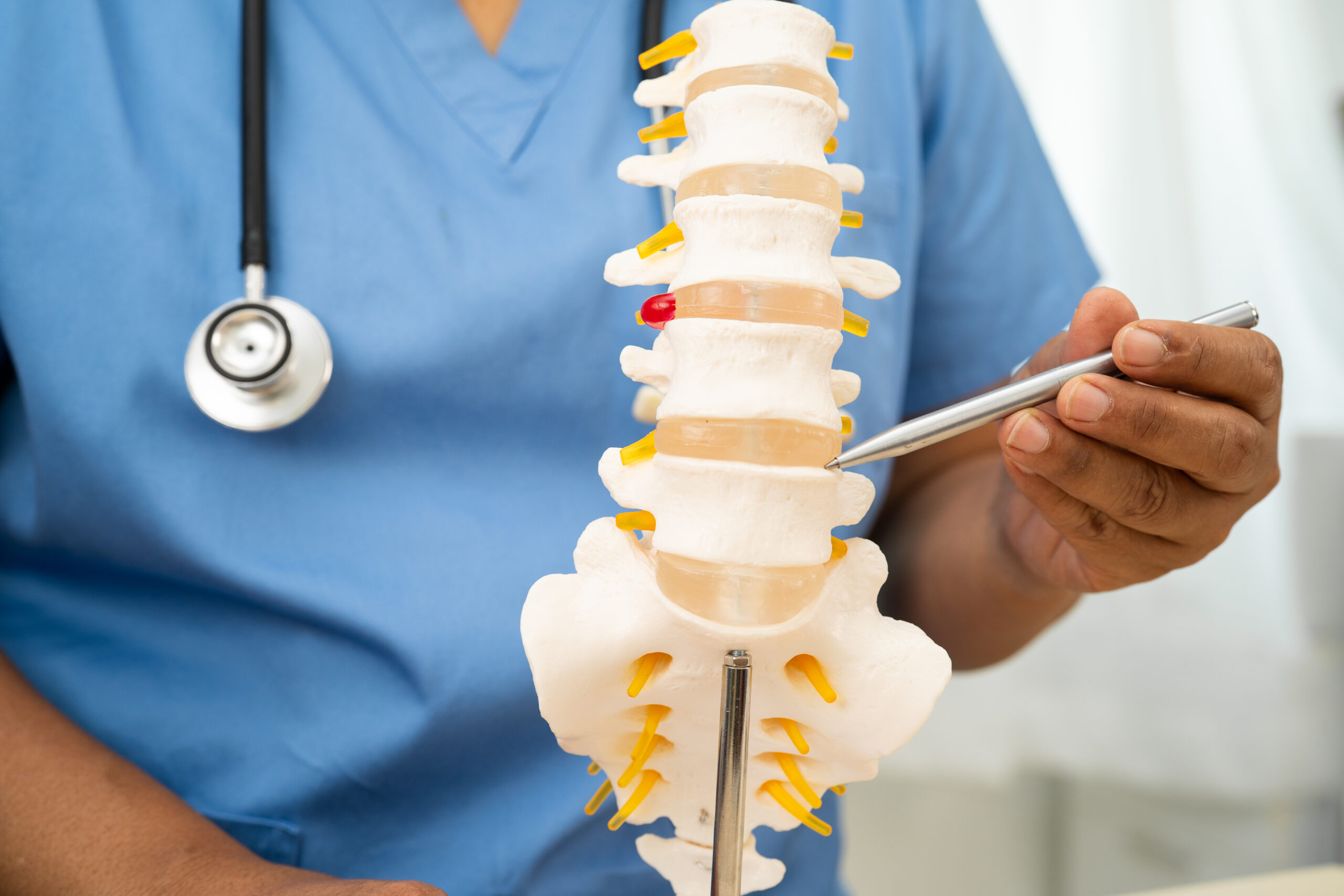
Back pain is often described as the universal human experience. In a fast paced city like Singapore, it is nearly impossible to find an office worker or athlete who hasn’t felt that familiar, dull ache or sharp electric shock in their lower back.
Whether it is a result of spending ten hours a day hunched over a laptop in the CBD or a sudden pop felt during a weekend football match at the Kallang Cage, back pain can quickly turn from a minor annoyance into a debilitating life sentence if not managed correctly.
Broadly speaking, back pain stems from two main culprits: mechanical stress and structural damage.
Mechanical stress is the result of our modern, sedentary lifestyle. When we sit for prolonged periods, our hip flexors tighten, our glutes turn off and our spinal discs are subjected to constant, uneven pressure.
Over time, this leads to muscle imbalances where certain muscles overwork to compensate for others, resulting in chronic inflammation and stiffness.
Structural damage involves the physical components of the spine, such as the discs, nerves and vertebrae. Other causes include spinal stenosis or degenerative changes that come with age.
Regardless of the cause, the body’s natural response is to lock down the area with muscle spasms to prevent further movement, which ironically creates more pain.
To find lasting relief, you must focus on decompression and stabilization. Here are five exercises designed to create space in your spine and strengthen your supporting muscles, utilizing both your home environment and Singapore’s excellent public facilities.
-
The HDB Dead Hang
One of the most effective ways to relieve lower back pressure is through spinal decompression, and you don’t need a fancy clinic to do it.
Head to any HDB fitness corner or playground and locate the pull up bar. Simply reach up and hang from the bar with a relaxed grip.
The goal is not to do a pull up but to let gravity pull your hips away from your ribs. This creates a vacuum effect in the spinal discs, potentially allowing a bulging disc to tuck back into place and relieving pressure on the sciatic nerve.
If the bar is too high, keep your toes lightly on the ground to control the weight.
-
The Fitness Corner Bench Pelvic Tilts
While you are at the fitness corner, find a standard park bench. Sit on the edge with your feet flat on the ground.
Place your hands on your knees and slowly tuck your tailbone under you to flatten your lower back against the imaginary wall behind you, then gently arch your back to tilt your pelvis forward.
This small, controlled movement greases the joints of the lower spine and helps break up the stiffness caused by long hours of sitting without putting the spine under heavy load.
-
The Bird Dog for Core Stability
Back at home, the Bird Dog is the gold standard for core stabilization. Start on your hands and knees in a tabletop position.
Simultaneously extend your right arm forward and your left leg backward. The challenge is to keep your torso perfectly still.
If someone placed a cup of hot Kopi O on your lower back, it should not spill.
This exercise strengthens the multifidus and erector spinae muscles, which act as the internal corset for your spine, providing the stability needed to prevent future tweaks.
-
The Cat Cow Flow
This is a gentle way to move the spine through its full range of motion. On all fours, inhale as you drop your belly toward the floor and look up, then exhale as you arch your back toward the ceiling and tuck your chin.
This rhythmic movement helps increase the circulation of spinal fluid and reduces the guarding reflexes of the back muscles.
It is particularly effective first thing in the morning when the back feels most stiff.
-
The Figure Four Glute Stretch
Often, back pain is caused by a tight piriformis muscle in the buttock pressing on the nerve. Lie on your back and cross your right ankle over your left knee.
Reach through the gap and pull your left thigh toward your chest.
You will feel a deep, satisfying stretch in your right glute. By releasing the tension in the hips, you reduce the tug of war that is happening on your lower spine and take direct pressure off the sciatic nerve.
Why a Specialist Matters
When pain strikes, many people’s first instinct is to visit a chiropractor for a “crack.” However, it is vital to remember that chiropractors are not medical doctors.
While they may provide temporary relief for simple muscle tension, they lack the medical training to diagnose serious underlying pathologies.
In fact, if your back pain is caused by a serious condition such as severe disc sequestration, a spinal fracture or an infection, aggressive manual manipulation can significantly worsen the injury.
High velocity adjustments on a compromised disc can lead to permanent nerve damage or even cauda equina syndrome, which is a medical emergency.
Before letting anyone manipulate your spine, you should seek the opinion of a Pain Specialist.
A medical pain specialist can order and interpret diagnostic imaging like MRIs or CT scans to clear off major structural reasons for your pain and avoid future consequences. They offer a range of evidence-based treatments that address the root cause rather than just the symptoms.
If your back pain is something serious, or if you want to ensure your recovery is handled by medical professionals, look for us at Affinity Pain Clinic, located at the Farrer Park Medical Centre, #07-09. Our team focuses on accurate medical diagnosis and long-term pain resolution to ensure you can return to your active lifestyle safely and with total peace of mind.