“I Thought It Was Just a Bad Pillow”: The Hidden Danger Behind Your Wry Neck and Morning Stiffness
We have all been there. You wake up on a typical humid morning in Singapore, reach out to switch off your alarm, and suddenly, zap. A sharp, shooting pain locks up your neck. You try to turn toward the clock, but your entire upper body has to pivot with you like a wooden statue. In Singapore, we often call it …
Continue Reading
Finding the Right Sports Injury Clinic in Singapore
Whether you are training for the Standard Chartered Singapore Marathon, playing social bouldering sessions at Kallang or simply staying active with weekend padel, sustained physical movement is deeply ingrained in Singapore’s lifestyle. However, with active living comes the inevitable risk of sports-related trauma. From acute ligament tears on the football pitch to chronic overuse conditions built up over months of …
Continue Reading
Slip Disc 101: Spotting the Signs and the Right Way to Recover
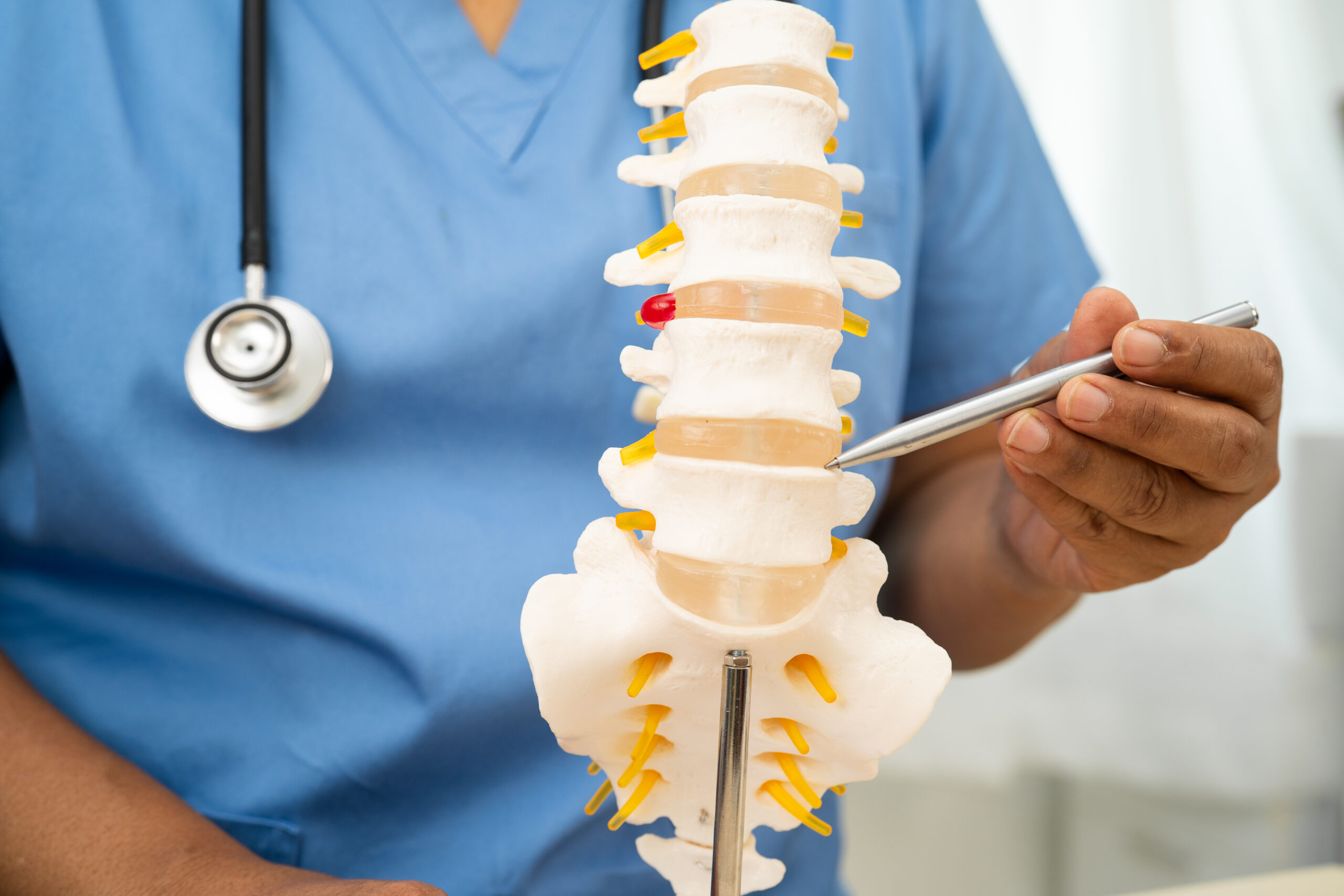
A sharp, sudden twinge while picking up your grocery bags from the wet market, or a jolt of pain bending down to tie your shoes before a run? For many, that may be the first sign of a slip disc. When it comes with numbness, tingling or a shooting pain down your buttock and leg, the cause is often more …
Continue Reading
Tech Neck Is Real: How to Fix a Stiff Neck From Hours of Screen Time
If you have clocked another day hunched over your laptop at the kitchen table, scrolled through your phone on the MRT ride home or spent the evening replying to work chats in bed, you have probably felt it: a persistent ache creeping across your upper shoulders, a neck that won’t turn all the way when you reverse park or a …
Continue Reading
What Is a Tennis Elbow Brace and How Does It Help?
Tennis elbow, medically known as lateral epicondylitis, is a common condition caused by overuse of the tendons that attach to the outside of the elbow. Despite its name, tennis elbow does not only affect tennis players. It frequently occurs in individuals who perform repetitive gripping, lifting, twisting or wrist movements, such as office workers, manual labourers, mechanics, carpenters, plumbers, gardeners and even those …
Continue Reading
Herniated Nucleus Pulposus (HNP) – Symptoms, Causes and Prevention
Herniated Nucleus Pulposus (HNP), commonly known as a slipped or herniated disc, is a condition in which the soft, gel-like center (nucleus pulposus) of an intervertebral disc pushes through a tear or weakness in the tough outer layer (annulus fibrosus). This herniation can place pressure on nearby spinal nerves, leading to symptoms such as back or neck pain, numbness, tingling, …
Continue Reading
5 Essential Exercises for Back Pain Relief (Especially if You Are in Singapore)
Back pain is often described as the universal human experience. In a fast paced city like Singapore, it is nearly impossible to find an office worker or athlete who hasn’t felt that familiar, dull ache or sharp electric shock in their lower back. Whether it is a result of spending ten hours a day hunched over a laptop in the …
Continue Reading
Common Causes of Back Pain in Singapore and When to See a Chiropractor
Back pain is one of the most common musculoskeletal complaints in Singapore, affecting students, working adults and the elderly alike. With long hours spent sitting in classrooms, offices and in front of digital devices, combined with increasingly sedentary lifestyles, it is not surprising that many individuals experience recurring discomfort in the back. While back pain may feel similar across different …
Continue Reading
Why Paracetamol Is Not The Answer For Your Back Pain
Back pain is a nearly universal experience, affecting almost everyone at some point in their lives due to a wide variety of causes. For the active individual, it might stem from sudden sports injuries or the repetitive strain of high-impact training. For the office warrior, it often arises from poor posture, prolonged sitting or the accidental strain of lifting heavy …
Continue Reading
Understanding Sciatica: Vitamins for Sciatica Pain and Recovery
Sciatica is not a disease in itself but a symptom of an underlying issue affecting the sciatic nerve, which is the longest and thickest nerve in your body. It typically manifests as a sharp, shooting pain, tingling or numbness that travels from the lower back, through the hips and down the back of each leg. The most common cause is …
Continue Reading