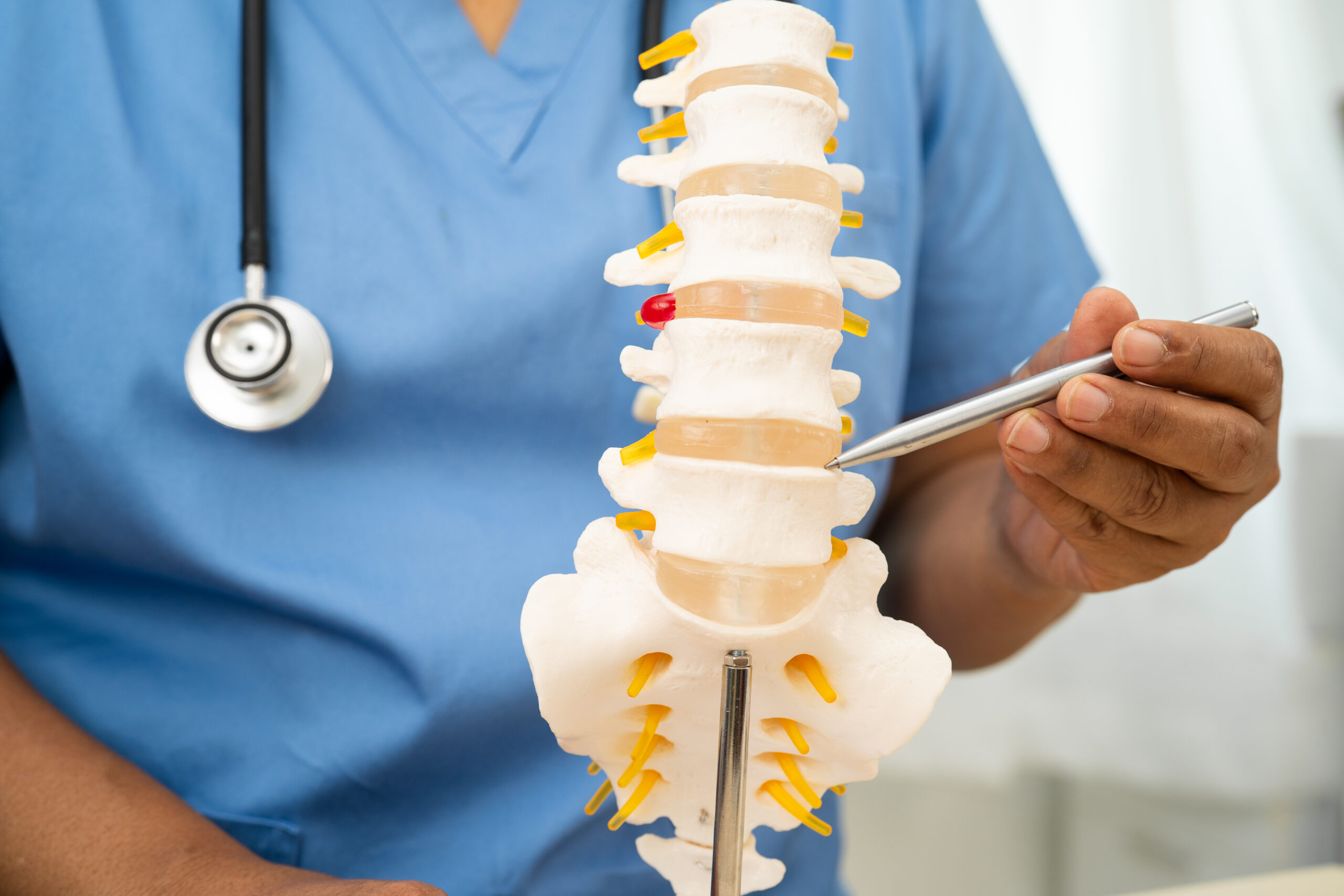
Herniated Nucleus Pulposus (HNP), commonly known as a slipped or herniated disc, is a condition in which the soft, gel-like center (nucleus pulposus) of an intervertebral disc pushes through a tear or weakness in the tough outer layer (annulus fibrosus).
This herniation can place pressure on nearby spinal nerves, leading to symptoms such as back or neck pain, numbness, tingling, muscle weakness or pain that radiates into the arms or legs, depending on the location of the affected disc.
Although HNP can occur anywhere along the spine, it is most frequently found in the lumbar (lower back) region, followed by the cervical (neck) region.
Common Causes of HNP
HNP most commonly develops as a result of age-related degeneration of the spinal discs. As people grow older, the discs gradually lose water content and elasticity, making them less flexible and more prone to tearing or rupturing even during routine movements.
This natural wear and tear is the leading cause of disc herniation and explains why HNP is more common among adults between the ages of 30 and 60.
In addition to the natural ageing process, several other factors can increase the risk of developing HNP. These include improper lifting techniques, repetitive bending or twisting of the spine, prolonged sitting, obesity, poor posture, smoking, physically demanding occupations and traumatic injuries such as falls or motor vehicle accidents.
A sedentary lifestyle and weak core muscles may also reduce spinal support, making the discs more susceptible to injury over time.
Although it is not always possible to prevent HNP, especially when it is related to the natural ageing process, there are many steps individuals can take to reduce their risk and maintain a healthy spine.
1. Maintaining Strong Core Muscles Through Exercising
One of the most effective ways to reduce the risk of developing HNP is to maintain a strong and stable core.
The muscles of the abdomen, lower back, pelvis, and hips work together to support the spine during everyday activities such as walking, lifting, bending and reaching.
When these muscles are weak, the spinal discs are subjected to greater mechanical stress, increasing the risk of injury over time.
Regular exercise helps improve spinal stability, flexibility and posture while reducing excessive pressure on the intervertebral discs. Low-impact activities such as walking, swimming, cycling and yoga are particularly beneficial because they strengthen the supporting muscles without placing excessive strain on the spine.
For older adults, exercise should be tailored to individual fitness levels and any existing medical conditions. Consulting a healthcare professional or physiotherapist before starting a new exercise programme can help ensure that the exercises are safe, appropriate and effective.
2. Practise Proper Posture and Safe Body Mechanics
Maintaining good posture throughout the day is essential for protecting the spine and reducing unnecessary stress on the intervertebral discs.
Whether sitting at a desk, standing for long periods or performing household chores, keeping the spine in a neutral position helps distribute forces evenly across the discs and surrounding structures.
Equally important is using proper lifting techniques. When lifting heavy objects, individuals should bend at the knees and hips while keeping the back straight, allowing the stronger muscles of the legs to perform most of the work.
People who spend long hours sitting should also make a conscious effort to change positions regularly, stand up every 30 to 60 minutes and ensure that their workstation is ergonomically arranged. These simple habits help minimise prolonged pressure on the spine and promote better spinal health over time.
3. Maintain a Healthy Lifestyle to Support Spinal Health
Maintaining a healthy body weight plays an important role in protecting the spine. Excess body weight increases the mechanical load placed on the lower back, causing the intervertebral discs to experience greater pressure during standing, walking, and other daily activities.
Over many years, this additional stress may contribute to accelerated disc degeneration and increase the likelihood of HNP.
Avoiding smoking is another important preventive measure. Research has shown that smoking reduces blood flow and oxygen delivery to spinal tissues, impairing the nutrition of the intervertebral discs and accelerating degenerative changes.
As discs become less hydrated and more brittle, they become increasingly vulnerable to tears and herniation.
A balanced diet rich in protein, calcium, vitamin D, fruits, vegetables and other essential nutrients also supports the health of bones, muscles and connective tissues.
Combined with regular physical activity, adequate sleep and healthy lifestyle habits, good nutrition helps maintain overall spinal function and may delay age-related degeneration, allowing individuals to remain active and independent for longer.
How Do You Know If You Have HNP?
In some individuals, the condition may cause only mild discomfort, while others may experience significant pain that affects daily activities.
When the herniated disc compresses or irritates nearby spinal nerves, symptoms commonly include persistent neck or back pain, numbness, tingling sensations, muscle weakness or pain that radiates into the shoulders, arms, buttocks, or legs.
In cases involving the lower back, individuals may also experience sciatica, where pain travels from the lower back down the back of the leg.
Symptoms may worsen during activities such as prolonged sitting, bending, lifting, coughing or sneezing, as these movements can increase pressure within the spinal discs.
The severity of symptoms varies from person to person. If you suspect that you have HNP, it is important not to ignore persistent or worsening symptoms.
An accurate diagnosis usually involves a detailed medical history, physical examination and, when appropriate, imaging studies such as magnetic resonance imaging (MRI) to determine the location and severity of the disc herniation.
Seeking early medical attention allows appropriate treatment to begin before the condition progresses. Early diagnosis also helps rule out other conditions that can cause similar symptoms, ensuring that patients receive the most suitable treatment for their specific condition.
A qualified pain specialist or spine physician can determine the underlying cause of your symptoms, recommend appropriate investigations and develop a personalised treatment plan based on your individual needs.
If you are experiencing consistent pain and not sure what to do, reach out to us at Affinity Pain Clinic today and take the first step toward effective pain relief and regaining your quality of life.